Introducing a New Voice at Naomi Books.
It is my joy and honor to open our very first Naomi Books blog post (The Quill) with the work of a gifted young writer, Grant Gardner. Grant is a two‑time attendee of the prestigious Iowa Young Writers’ Workshop, where he excelled among some of the nation’s most promising emerging authors. An aspiring novelist with a keen eye for storytelling, Grant brings depth, curiosity, and a refreshing literary voice to every piece he writes.
I am proud to share his reflections here as we celebrate the launch of our new website — and as we continue uplifting the next generation of storytellers.
What Are Stories for Children?
Happy Fall, everyone!
Can you believe how close we are to the new year? Four months, seventeen weeks, or one hundred and twenty‑two days until the calendar resets. That’s 122 brand‑new opportunities to better ourselves and the communities around us. And while this year has brought forth a number of blessings, I still find myself wishing for a little more time — a couple more tales to pass around as the nights grow longer.

Stories are fascinating like that, aren’t they? No matter how old we become, they keep shaping us, molding our view of the world and how we walk through it. And while each of us carries hundreds — maybe even thousands — of stories within ourselves, we’re also surrounded by young faces bursting with excitement and curiosity about the world around them. Naturally, this raises an interesting question: What, exactly, are stories for children?
If we get down to it, a children’s story is often defined not by what it accomplishes, but by what it avoids. A children’s story does not indulge the complexities of life or the frustrations of a nine‑to‑five. It does not concern itself with the messiness of class and power, the frustrations of wealth, or the cold clutches of death. What use are such topics to a child? After all, we are merely authors — our job is to comfort, not disturb. And so a children’s story is just that: a story for mere children, and not for those of us considered grown.
At least, that’s the argument we might expect.
But what if, for a moment, we let the professionals weigh in? Among storytellers, a children’s story is often treated with just as much reverence as an Oxford academic study. In his 1952 essay, "On Writing for Children," C. S. Lewis wrote:
“I am almost inclined to set it up as a canon that a children’s story which is enjoyed only by children is a bad children’s story.”
Lewis believed that the best children’s stories grow with us — that they hold meaning not only for young readers, but for adults who return to them with new eyes. And he’s right, isn’t he?
I can certainly remember my first time reading Frog and Toad, The Giving Tree, or The Chronicles of Narnia when I was younger. The commentary on sacrifice and pure, unrequited love in The Giving Tree has nearly brought me to tears on multiple occasions. The Chronicles of Narnia, one of my earliest and fondest reading memories, introduced me to war, loss, politics, and love. How many stories can you, dear reader, still relate to as an adult?
Lewis himself lived out this philosophy well into his forties. It is said that during meetings with fellow authors J. R. R. Tolkien and Owen Barfield, the men would often read large sections of prose just to see who could go longest without laughing — a reminder that joy, imagination, and playfulness are not reserved for children alone.
We know the world outside is filled with darkness and cruelty, so it’s natural to want to shield the youngest among us from its full brunt. I’m not saying we ought to expose children to the fullness of earth’s evils. What I’m saying is this: If we never talk about those evils at all, how do we expect to prepare children to confront them?
Lewis once noted that you cannot have heroes without monsters, for without a monster, what evil is there for a hero to fight? If I had never seen the struggles of spiritual warfare allegorized as richly as when Aslan defeated the White Witch, or courage portrayed as succinctly as when Corinne La Mer confronted the Jumbies, I might not have been as prepared to face the struggles I encountered in my youth.
In truth, when we write a story purely to convey a moral to a child, we aren’t writing a story for them at all. Why should we force the morals of empathy and perseverance when instead we could simply tell a child a story? A story of the Lady Knight, who, like many of her time, had never opened her eyes to survey the land, for she was terrified of the monsters plaguing it. Perhaps she was only able to vanquish the monsters when she finally opened her eyes, finally saw her land for what it was, and laid waste to the heathens.
A children’s story is just that: a story, an art — sometimes basic and palatable, sometimes mundane and unassuming. And sometimes, in the hands of a master, it is as pretentious as this sentence — nothing less than a masterpiece.
Grant Gardner
From the Editor
Launching The Quill with Grant’s thoughtful reflections feels exactly right. His voice reminds us why stories matter — not only for children, but for all of us who continue to grow, imagine, and learn. I am grateful to share his work here and excited for the many articles to follow.
If you enjoyed this piece, we invite you to comment, engage, and follow The Quill for more insights, stories, and creative perspectives from emerging and established writers. You can also join our mailing list to receive new posts, author highlights, and updates on upcoming programs and events.
Welcome to The Quill. We’re glad you’re here.
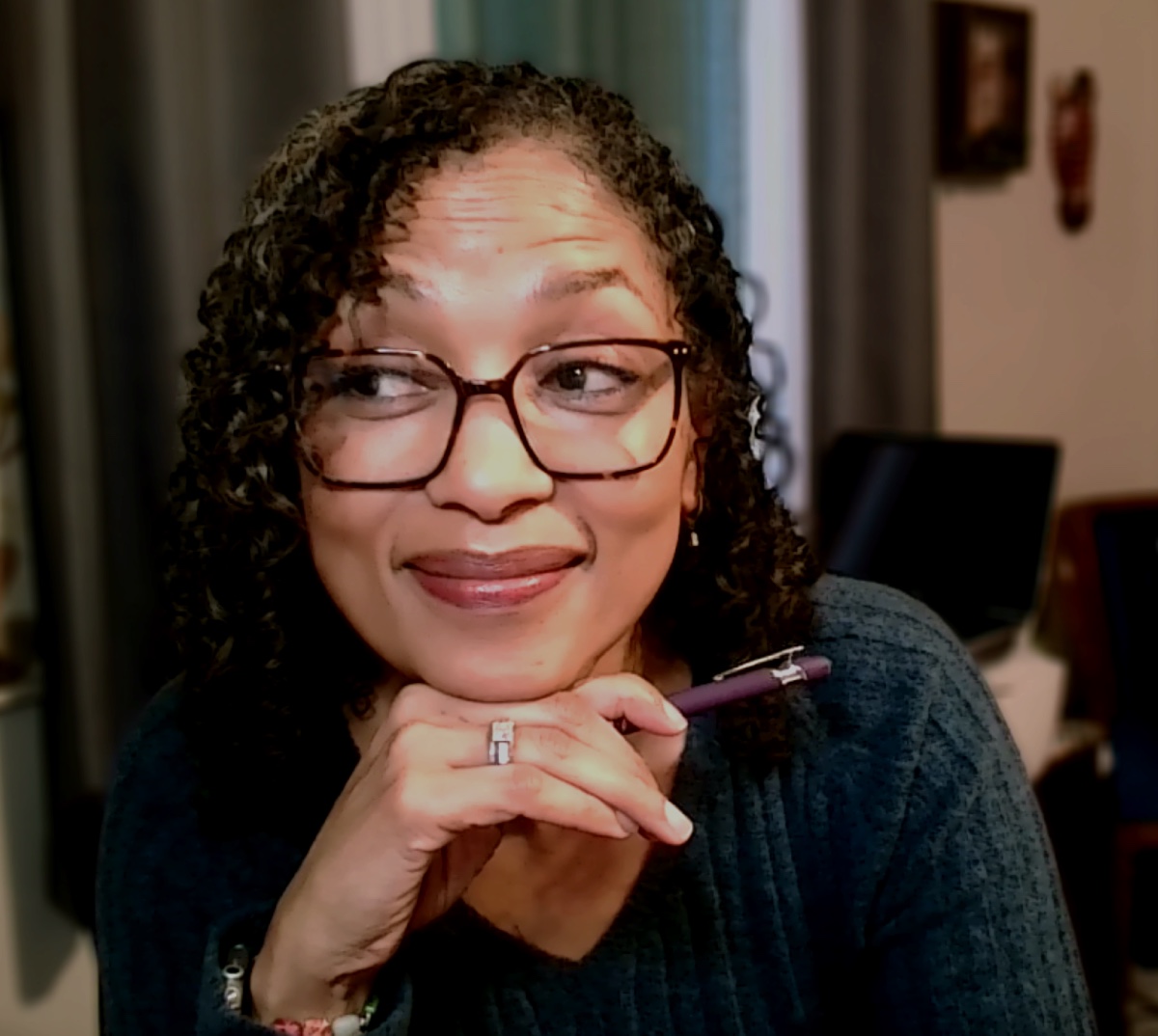
Naomi V. Dunsen-White
Founder, Naomi Books, LLC
Conversation
Join the conversation.
Share what resonated, ask a question, or continue the story with Naomi and fellow readers.
Reader responses
Be the first to add to the conversation.